Cards
Buying crypto with a debit card in Nevada
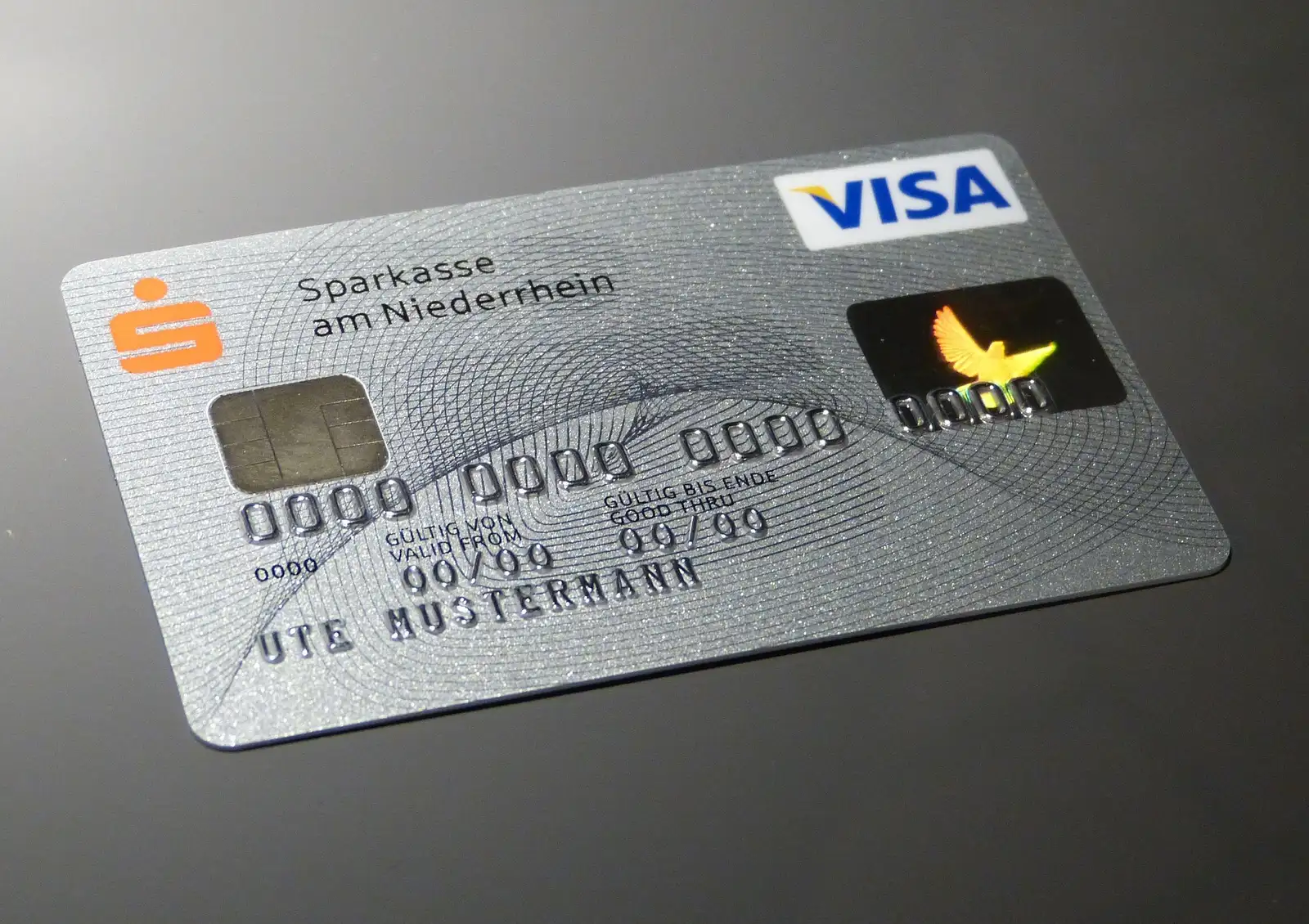
The card is the compromise between the bank transfer that costs nothing and the kiosk that costs a sixth of your money. It settles in minutes, it charges two or three per cent, and knowing exactly when that premium is worth paying is most of what this page is about.
What a card purchase actually costs
Card pricing sits between the two extremes and is usually quoted as a single percentage, sometimes with a spread on top.
| Platform | Card fee | Cost on $500 | Same purchase, ACH + spot |
|---|---|---|---|
| CEX.IO | ≈2.99% | ≈$15 | ≈$1.25 |
| Coinbase | ≈1.5–3.99% | ≈$8–$20 | ≈$3 |
| Kraken | ≈1.5% + spread | ≈$10 | ≈$1.30 |
| Crypto.com | ≈2.99% | ≈$15 | ≈$1.25 |
| Nevada crypto kiosk | ≈16% all-in | ≈$80 | n/a |
Two things to take from that table. The card route is broadly consistent across platforms at around 1.5% to 3%, so switching providers to save on card fees is not a high-value activity. And it is roughly a sixth of kiosk pricing while being faster, which makes it the correct answer for anyone in a hurry who has a card.
When paying the card premium is the right call
We think there are four defensible cases and one indefensible one.
Genuine deadline. You are paying an invoice, meeting a contract term, or sending crypto to someone who needs it today. The fee is a transaction cost.
Small amounts. On $100, the difference between card and ACH is around $2.50. Managing that is not worth anyone's afternoon.
Testing a platform. Our standing recommendation is a $20 test purchase before committing real money. Use whatever is fastest; the fee is trivial and the information is valuable.
You would not otherwise act. A habit you keep at 2.5% beats an optimal method you never get round to. If a card purchase today is the difference between doing something and doing nothing, take it — and set up the bank rail afterwards.
The indefensible case: using a card for large, regular purchases out of habit. Someone buying $2,000 monthly by card pays roughly $720 a year against $96 by ACH. Over five years that is $3,100 for a convenience that was never needed.
Use the card once, then link the bank There is nothing wrong with paying for speed on a first purchase. There is a lot wrong with paying for it every month.
Open an accountWhy cards get declined, and what to do
A recurring frustration, and almost always the issuer rather than the exchange.
Merchant category blocking. Some US issuers block or flag transactions to crypto merchant category codes. This is more common on credit than debit, and more common at smaller institutions and credit unions than at the large nationals.
Fraud heuristics. A first-time transaction to an unfamiliar merchant, for an unusual amount, from a new device, is exactly the profile fraud systems flag. Approving it once usually teaches the system.
3-D Secure friction. Verification prompts that fail silently on some browsers or when a phone number on file is out of date.
Address mismatch. Common in Nevada given the in-migration rate. If your card's billing address is still out of state and your exchange account is Nevada, expect friction.
Call your bank first, not the exchange
Ask specifically whether they permit transactions to cryptocurrency merchants on debit. Most will say yes and note the account.
Check the billing address matches
Card billing address and exchange account address should be identical. Update whichever is stale.
Try a smaller amount
A $20 transaction often clears where a $2,000 one is flagged, and once one has cleared the larger one frequently follows.
Use a different institution
If a small credit union blocks crypto merchants as policy, a card from a large national bank generally will not.
Or just use ACH
Slower and roughly six times cheaper. If the card is fighting you, the universe is offering a hint.
Credit cards: our answer is don't
Some platforms accept credit cards. Many issuers block them. Where both permit it, the economics are genuinely bad.
The core problem is that many issuers treat a crypto purchase as a cash advance rather than a purchase. That means a cash advance fee, typically 3–5%, plus interest at the cash advance APR — usually higher than the purchase APR — accruing immediately with no grace period. Stack the platform's own card fee on top and you can be 8% down before the price has moved.
There is a second problem that has nothing to do with fees. Buying a volatile asset with borrowed money means a price fall leaves you holding both a loss and a debt. That is a leveraged position whether or not anyone called it one, and it is not a position most people intend to take.
We do not tell readers what to do with their money, and we will make an exception here: if the only way to buy crypto is on credit, the correct amount to buy is zero.
Prepaid cards
A genuine option for people without a checking account, and one worth knowing about because it is rarely discussed.
Some licensed platforms accept prepaid debit cards. You load cash onto the card and buy crypto with it, without needing a bank relationship. Pricing is card-level — expect around 3% — which is still roughly a fifth of what a kiosk charges.
Three caveats. Support varies by platform and changes without notice. Prepaid cards are declined more often than bank-issued debit. And the card itself usually carries load fees, which stack on top of the platform fee.
Test with a small amount before relying on it. And treat it as a bridge rather than a destination — opening a low-minimum credit union account remains the higher-value move, as our cash guide discusses.
Apple Pay and Google Pay
Increasingly supported, and worth understanding for what they are: a card transaction with a nicer interface.
Pricing is card pricing. Speed is card speed. The genuine advantage is security — the merchant receives a token rather than your actual card number, which meaningfully reduces the consequences of a platform breach.
If your platform supports it and you were going to use a card anyway, use the wallet version. It costs the same and leaks less.
Card safety on crypto platforms
Four rules.
Verify the platform's licensing before entering card details. Money transmission is regulated in Nevada by the Financial Institutions Division under NRS Chapter 671. Look the entity up at NMLS Consumer Access before you type a card number, not after.
Never enter card details from a link. Navigate to the platform yourself, or use the app you installed from an official app store. Phishing pages that mimic exchange checkout screens are common and convincing.
Understand that crypto purchases are not reversible. A card payment for goods can be disputed. A card payment that successfully bought crypto which then left the platform cannot meaningfully be undone — the coins are gone and the chargeback will fail.
Use a card with strong fraud protection and monitor it. Any platform holding your card details is a target. Fewer platforms means less exposure.
Debit card questions
Can I buy crypto with a debit card in Nevada?
Is buying crypto with a debit card safe?
Why did my bank decline a crypto purchase?
Can I use a credit card to buy crypto?
Do prepaid cards work for buying crypto?
Is a debit card cheaper than a Bitcoin ATM?
Fast today, cheap from tomorrow
Use the card for your first purchase if speed matters — it is faster and roughly six times cheaper than a kiosk. Then link a bank account in the same session, so the next purchase, and every one after it, costs a fraction as much.
Partner link. Digital assets are volatile and are not FDIC- or SIPC-insured. Nevada Crypto does not give investment advice.