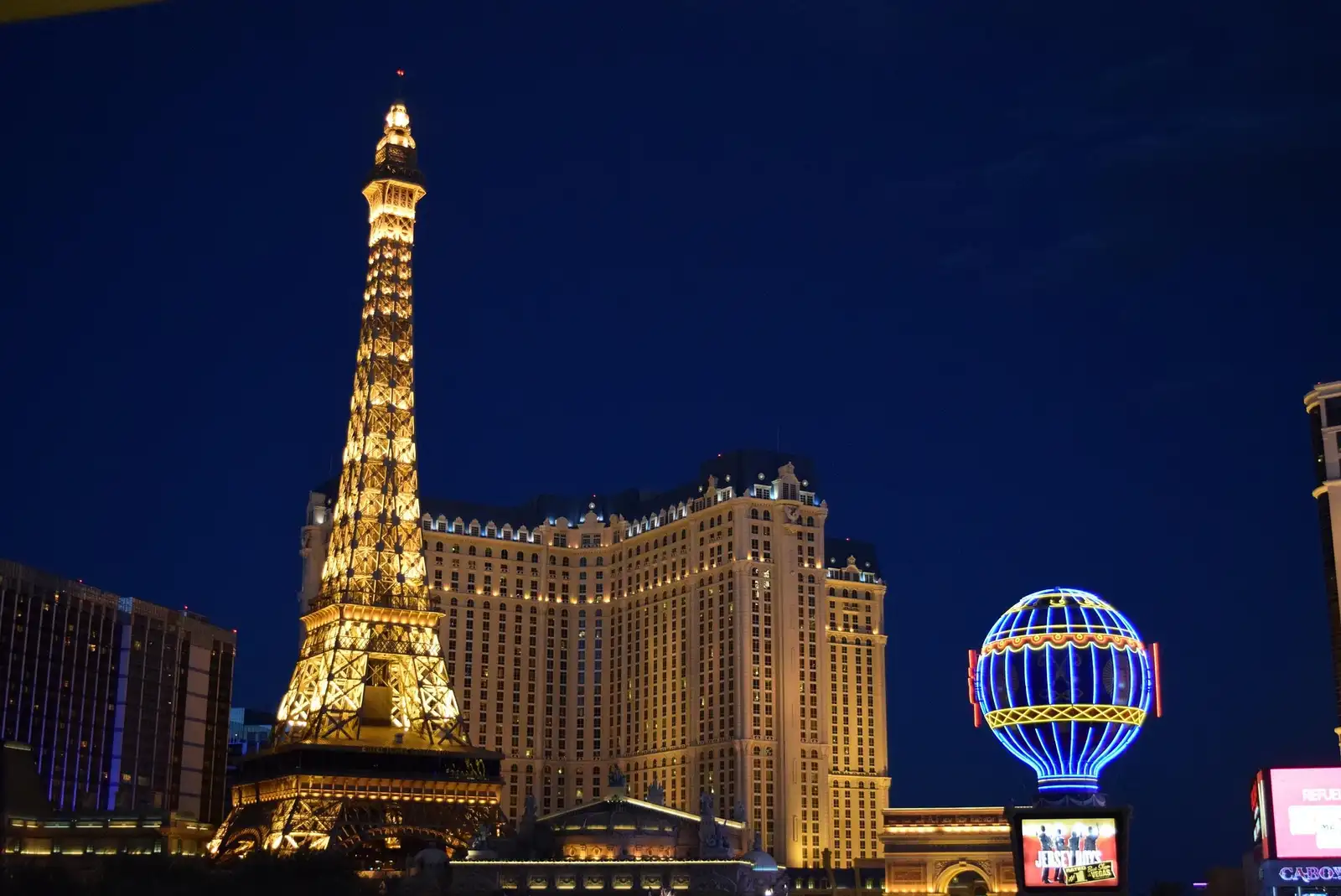
Las Vegas · Clark County
Bitcoin ATMs in Las Vegas: a corridor-by-corridor guide
Las Vegas has the densest crypto kiosk network between Phoenix and the Bay Area, and the widest price spread within a single metro area we have looked at. Where you stand when you insert cash can change your cost by eight percentage points.
The five corridors where Las Vegas kiosks actually live
Crypto kiosks follow cash, not population. That single fact explains almost everything about their distribution in this valley, and it is why the map does not look the way people expect.
Boulder Highway and Nellis Boulevard
The densest cluster in Nevada, running through the east valley and into Sunrise Manor. Liquor stores, smoke shops, check-cashing storefronts and convenience retail along this stretch host a remarkable concentration of machines — in places three or four within a mile. The area has high cash-paid employment, comparatively few bank branches, and a large population working hospitality shifts that end long after banks close.
Because there are so many machines competing, pricing here is typically better than the valley average. Not good — better.
Las Vegas Boulevard North and Craig Road
The North Las Vegas corridor, running up towards Craig Ranch and across to Cheyenne. Similar economics to Boulder Highway with a similar density. Several of the highest-limit machines in the state sit along here.
East Charleston Boulevard
A long east-west spine through older neighbourhoods with steady coverage and generally mid-range pricing. Convenient if you are anywhere between downtown and Nellis.
Decatur, Spring Mountain and Chinatown
Spring Valley and the Chinatown corridor along Spring Mountain Road form the valley's busiest remittance area. That drives a different pattern of demand — stablecoin purchases for cross-border transfers rather than Bitcoin speculation — and machines here often support more assets than the east-valley equivalents.
The resort corridor
Technically Paradise rather than the city of Las Vegas, but everyone thinks of it as the Strip. Machines in and around the resort corridor serve tourists and price accordingly. More on that below.
Price varies more within Las Vegas than between most cities
The Federal Reserve Bank of Kansas City puts the US median all-in kiosk cost at roughly 16%. Within the Las Vegas Valley we see the practical range run from around 10% at competitive neighbourhood machines to comfortably north of 20% in the resort corridor.
That spread is larger than the difference between most US cities, and it is entirely a function of competition and captivity. A machine with four rivals within a mile prices differently from a machine that is the only option inside a resort property.
| Corridor | Density | Typical all-in | Cost on $500 |
|---|---|---|---|
| Boulder Hwy / Nellis Blvd | Very high | 11–16% | $55–$80 |
| LV Blvd North / Craig Rd | Very high | 11–17% | $55–$85 |
| East Charleston | High | 13–18% | $65–$90 |
| Decatur / Spring Mountain | Moderate | 13–18% | $65–$90 |
| Resort corridor | Moderate | 18–25% | $90–$125 |
| Licensed exchange, ACH | — | 0.1–0.6% | $0.50–$3 |
That final row is not a rhetorical trick. It is the same Bitcoin, bought the same day, by the same person, using a bank account they already have. The entire cost difference is the cash convenience premium.
Eighty dollars, every $500 If you buy monthly in Las Vegas, the kiosk habit costs roughly $960 a year against roughly $24 on a licensed platform.
Compare live ratesThe resort corridor: the most expensive crypto in Nevada
Machines in and around the Strip serve visitors who are unlikely to comparison-shop, are often in a hurry, and frequently have no alternative within walking distance. The pricing reflects that with total honesty.
Our advice to anyone staying on the Strip who needs crypto is unglamorous: walk or ride east. Maryland Parkway, Paradise Road and the neighbourhoods around UNLV have machines that price materially better, and the trip takes ten minutes. If you have a bank card, downloading a licensed app in your hotel room and buying with a debit card costs roughly 2–3% instead of 20% — and takes less time than getting to the elevator.
A related question we get constantly from visitors: can you gamble with Bitcoin in Las Vegas? No. The Nevada Gaming Control Board has not approved cryptocurrency as a wagering medium, so you cannot buy chips with it. Several properties — including The D and Golden Gate downtown — accept crypto through a payment processor for hotel rooms, dining and retail. Our guide to spending crypto in Las Vegas covers where that works.
What closed, and why the maps are wrong
Las Vegas has been at the centre of two of the largest failures in this industry.
Coin Cloud, headquartered here, ran more than 4,000 machines across the US and Brazil before filing Chapter 11 in the District of Nevada in February 2023 with liabilities reported between $100 million and $500 million. Its assets were sold and the business dissolved.
Then in May 2026 Bitcoin Depot, the largest operator in North America with over 9,000 machines, filed Chapter 11 in Texas and deactivated its entire fleet as part of a wind-down. Las Vegas locations went dark alongside everything else. The company cited a roughly 49% year-on-year revenue decline and tightening state compliance obligations.
Third-party aggregator maps continued listing those machines for weeks. If you take one operational lesson from this page: check the operator's own location page, or call them, before you drive anywhere. Our operator guide lists who is still active.
Hours, access and personal safety
Most Las Vegas kiosks sit inside host businesses and are only accessible during those businesses' hours. A machine advertised as 24/7 usually means the store is 24/7, which in this city is common but not universal.
Three practical points. First, the highest-density corridors are also, in places, corridors where standing outside at 2am counting cash is not a good idea — take the same precautions you would at a bank ATM. Second, machines run out of cash and out of network connectivity; an earlier visit is a more reliable visit. Third, if you are selling at a two-way machine, the confirmation wait means you may be standing there for half an hour, and you want the store to still be open when it completes.
Better options across the valley
Las Vegas is, ironically, one of the easiest places in America to avoid needing a kiosk. Bank and credit union branch density in the valley is reasonable, essentially every major licensed exchange serves Nevada, and Nevada charges no state income tax on gains.
If you have a bank account: deposit the cash, transfer by ACH, place a spot order. Cost on $1,000 is a few dollars against roughly $160 at a machine.
If you need it today: a debit card purchase on a licensed platform settles in minutes for roughly 2–3%. That is around a fifth of kiosk pricing for the same immediacy.
If you are moving serious money: above roughly $50,000 an OTC desk will quote a single all-in price at 0.1–0.5%. There are very few dedicated physical crypto OTC offices in Nevada, so this is usually done remotely — see Bitcoin OTC in Las Vegas.
If you genuinely have cash and no bank: then a kiosk is a legitimate tool, and the corridor pricing table above is how you use it least badly. Our cash buying guide also covers routes that do not require a traditional bank account.
The valley's cheapest crypto is not in a convenience store
Every machine on Boulder Highway is competing on a scale where the winner still charges thirty times more than a licensed exchange. If you have a Nevada bank account, the comparison is not close — and the account takes an afternoon to open.
Partner link. Digital assets are volatile and are not FDIC- or SIPC-insured. Nevada Crypto does not give investment advice.